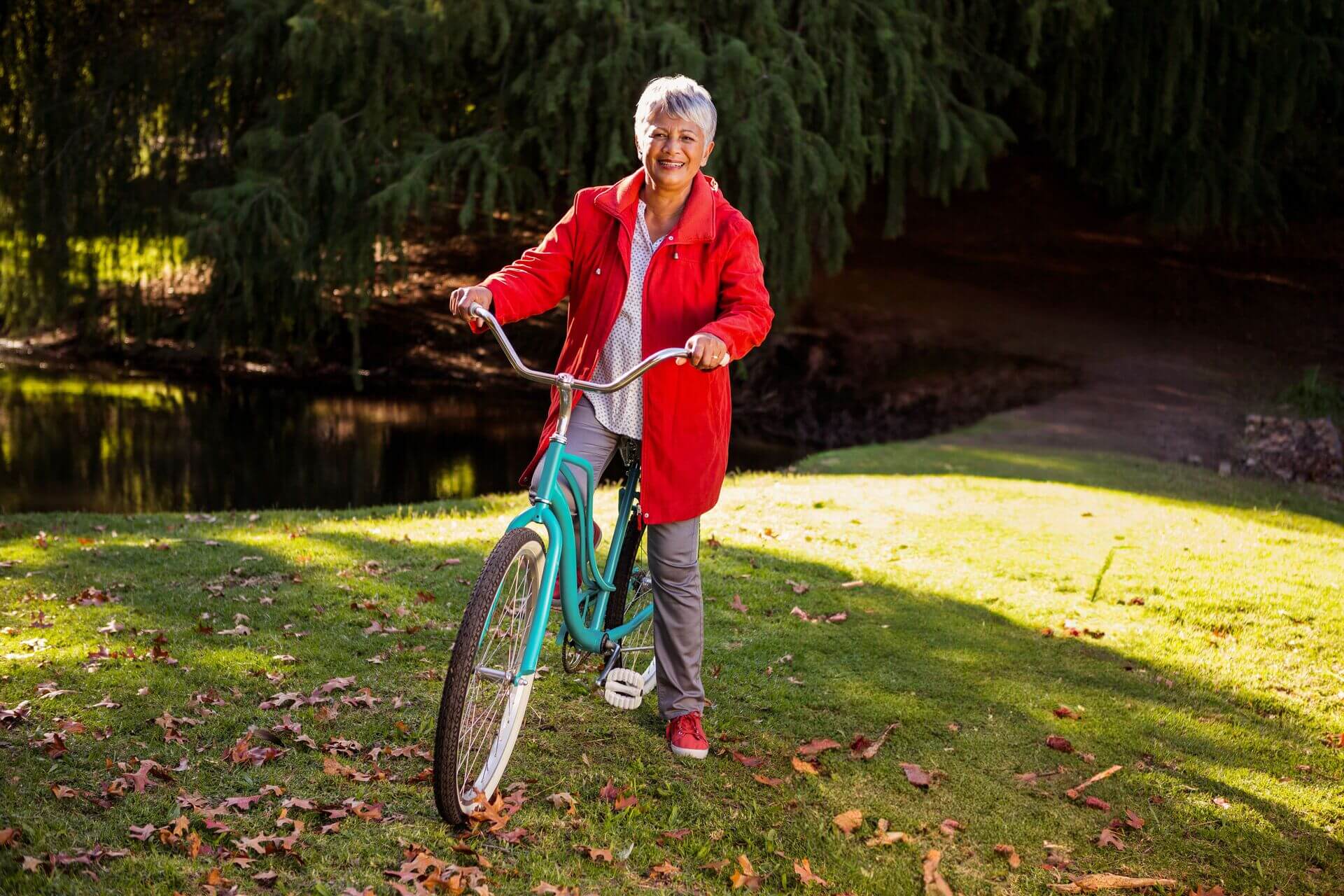
As life expectancy increases, more people are focusing not only on longevity but on maintaining comfort, mobility, and independence in later years. Seniors often face age-related stiffness, reduced flexibility, sleep disruption, and everyday discomfort that affects quality of life. In this context, CBD has attracted attention as a non-intoxicating compound that may support overall well-being without impairing cognitive clarity.
This article examines CBD specifically from a senior-focused perspective. It explores how cannabidiol is discussed in relation to physical comfort and daily quality of life, what scientific understanding suggests, and how older adults can approach CBD responsibly. The emphasis is on realistic expectations, safety, and compliance, without medical claims or exaggerated promises.
Why Seniors Are Exploring CBD
Age-Related Physical Changes

Aging naturally brings changes in joint flexibility, muscle mass, and recovery speed. Everyday movements may feel more demanding, and physical tension can accumulate more easily. While discomfort is common in later life, many seniors prefer to explore supportive options that align with natural wellness approaches.
CBD is often considered because it does not produce intoxication or mental fog. Maintaining clarity and independence is a priority for older adults, making non-psychoactive options particularly relevant.
Desire for Balanced Daily Living
Quality of life in older age is strongly linked to mobility, sleep quality, emotional stability, and the ability to participate in daily activities. Seniors exploring CBD are typically interested in maintaining balance rather than seeking dramatic effects.
CBD is positioned within wellness discussions as a supportive element rather than a corrective or curative solution.
CBD and Physical Comfort in Later Life
Everyday Joint and Muscle Stiffness
Many seniors experience joint stiffness or muscular discomfort related to long-term wear, reduced mobility, or posture changes. Research into CBD explores how it interacts with pathways involved in inflammatory signaling and discomfort perception.
CBD does not function as a pain medication. Instead, it may support how the body regulates inflammatory responses and recovery processes. For seniors, this indirect support can be meaningful when combined with gentle movement, stretching, and hydration.
Supporting Recovery After Activity
Staying active is essential for healthy aging. Light exercise, walking, or mobility training can improve circulation and flexibility, but may also cause temporary soreness. Some seniors include CBD in post-activity routines to support overall comfort.
- CBD may complement mobility and stretching routines
- Effects are gradual and depend on consistent use
CBD and Sleep Quality in Seniors
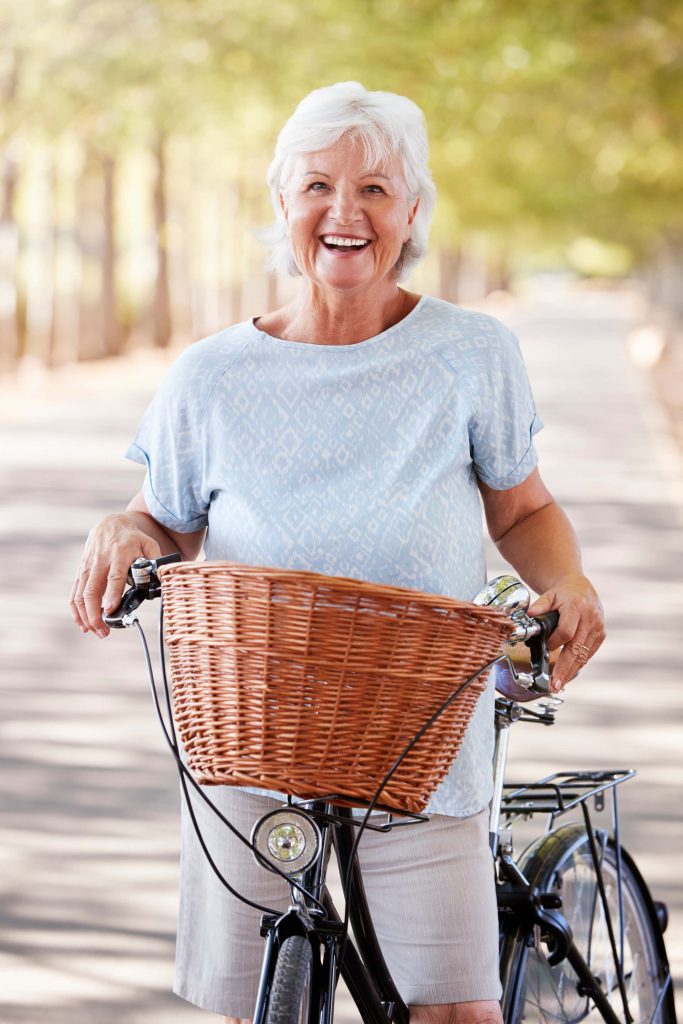
Sleep disturbances are common in older adults. Changes in sleep cycles, nighttime discomfort, or stress can affect rest quality. CBD is sometimes incorporated into evening routines aimed at promoting relaxation.
It is important to clarify that CBD is not a sleep medication. Its potential value lies in supporting calmness before bedtime rather than forcing sedation. Seniors often prefer options that maintain natural sleep rhythms without grogginess the next day.
Emotional Well-Being and Calmness
Loneliness, life transitions, and health-related concerns can influence emotional well-being in later years. CBD is sometimes used by seniors seeking a steady sense of calm without affecting alertness.
Maintaining mental clarity is particularly important in this age group. CBD’s non-intoxicating profile makes it more attractive than substances that may impair memory or coordination.
Choosing CBD Products for Seniors
Older adults should prioritize simplicity, transparency, and clarity when selecting CBD products. Hemp-derived formulations with clearly stated concentrations and verified THC compliance are essential.
CBD oils may be suitable for seniors who prefer adjustable intake and flexibility. Gummies can offer convenience and fixed portions for those who prefer pre-measured options. Exploring clearly labeled CBD products from Emi Jane allows seniors or caregivers to make informed choices based on consistency and compliance.
- Choose clearly labeled, EU-compliant products
- Prefer simple formats with transparent dosing
Safety Considerations for Older Adults
Medication Interactions
Seniors are more likely to take prescription medications. CBD may interact with certain drugs by influencing metabolic enzymes. Consulting a healthcare professional before regular CBD use is strongly recommended.
Responsible use includes monitoring how the body responds and avoiding sudden increases in intake.
Starting Low and Observing Response
Because metabolism and sensitivity change with age, starting with lower amounts is generally advised. Gradual adjustment allows seniors to evaluate comfort and tolerance without unnecessary risk.
CBD should not replace prescribed treatment or medical advice.
Legal and Regulatory Considerations in the EU
In the European Union, CBD products must contain THC within strict limits and must not be marketed as treatments for medical conditions. Seniors and caregivers should ensure that products are hemp-derived and comply with EU standards.
Purchasing compliant CBD products from reputable retailers helps reduce uncertainty and supports safe integration into daily routines.
Common Misconceptions About CBD for Seniors

Myth One – CBD Is a Cure for Age-Related Conditions
CBD does not cure arthritis, chronic pain, or degenerative conditions. It may support overall balance, but it is not a medical intervention.
Myth Two – CBD Causes Intoxication
Hemp-derived CBD products compliant with EU regulations do not cause intoxication. They contain only trace THC levels within legal thresholds.
- CBD supports quality of life, not disease treatment
- Responsible sourcing is essential
Integrating CBD Into a Healthy Aging Routine
CBD works best when combined with foundational habits such as gentle movement, balanced nutrition, hydration, and regular medical check-ups. Seniors who approach CBD thoughtfully and consistently are more likely to integrate it successfully.
Caregivers supporting older adults should prioritize clear communication and medical consultation when introducing any supplement.
CBD for seniors is best understood as a supportive wellness option aimed at maintaining comfort, calmness, and quality of life. It does not replace medical care or prescribed treatments, but it may complement balanced routines focused on mobility and emotional stability.
By choosing transparent, compliant CBD products, starting with low amounts, and consulting healthcare professionals when necessary, seniors can explore CBD responsibly. When integrated carefully into daily life, CBD may contribute to maintaining independence and comfort in later years.