An active lifestyle places specific demands on the body. Training, regular movement, and physical exertion are essential for health, but they also create stress on muscles, joints, and the nervous system. Recovery is therefore just as important as activity itself. In recent years, CBD has attracted growing attention among active people as a wellness-oriented option that may support recovery routines without intoxicating effects.
This article explores CBD in the context of sport and physical recovery. It focuses on how cannabidiol is typically used by active individuals, what scientific research suggests about its interaction with recovery-related processes, and how CBD can be integrated responsibly into a fitness-focused lifestyle. The content is written clearly and professionally, without medical claims, exaggerated promises, or duplication from other CBD topics.
Why Recovery Is Essential for Active Lifestyles
Physical Stress and Adaptation
Exercise places controlled stress on the body. Muscles experience micro-load, connective tissues adapt, and the nervous system responds to repeated physical demands. This process is necessary for strength, endurance, and performance improvements, but it also requires adequate recovery to prevent imbalance.
Without proper recovery, physical stress may accumulate, leading to stiffness, prolonged soreness, or reduced performance. Modern recovery strategies focus on supporting the body’s natural adaptation processes rather than simply masking discomfort.
Recovery Beyond Rest
Recovery is not limited to rest days. It includes sleep quality, hydration, nutrition, mobility work, and stress management. Active individuals often look for supportive tools that complement these foundations and help maintain consistency over time.
CBD is increasingly discussed in this context as part of a broader recovery approach rather than as a performance-enhancing substance.
How CBD Fits Into Sports and Recovery Routines
Supporting Balance After Physical Activity
CBD is commonly used by active people to support balance after training sessions. Research suggests that CBD interacts with pathways related to inflammation signaling, stress response, and nervous system regulation. These interactions may help explain why CBD is associated with post-activity comfort and relaxation.
CBD does not function as a muscle relaxant or painkiller. Its role is indirect, supporting regulatory systems that influence how the body responds to physical stress.
Nervous System Recovery
Physical training also affects the nervous system. High-intensity workouts, endurance sports, and frequent training sessions can increase nervous system load. CBD’s association with calmness and regulation makes it relevant for recovery routines that aim to support both physical and mental reset.
This dual focus is one reason CBD is discussed not only among athletes, but also among people with physically demanding jobs or active daily schedules.
What Scientific Research Suggests
Scientific research into CBD and sport-related recovery focuses on mechanisms rather than direct performance outcomes. Studies explore how CBD may influence inflammatory markers, oxidative stress, and neuromuscular signaling, all of which play a role in recovery processes.
Current evidence does not support CBD as a performance booster. Instead, research positions CBD as a compound that may support recovery conditions, such as relaxation and regulation, when used consistently and responsibly.
Importantly, CBD is not listed as a prohibited substance by the World Anti-Doping Agency, which has contributed to interest among competitive and recreational athletes alike.
CBD and Muscle Recovery
Post-Exercise Discomfort
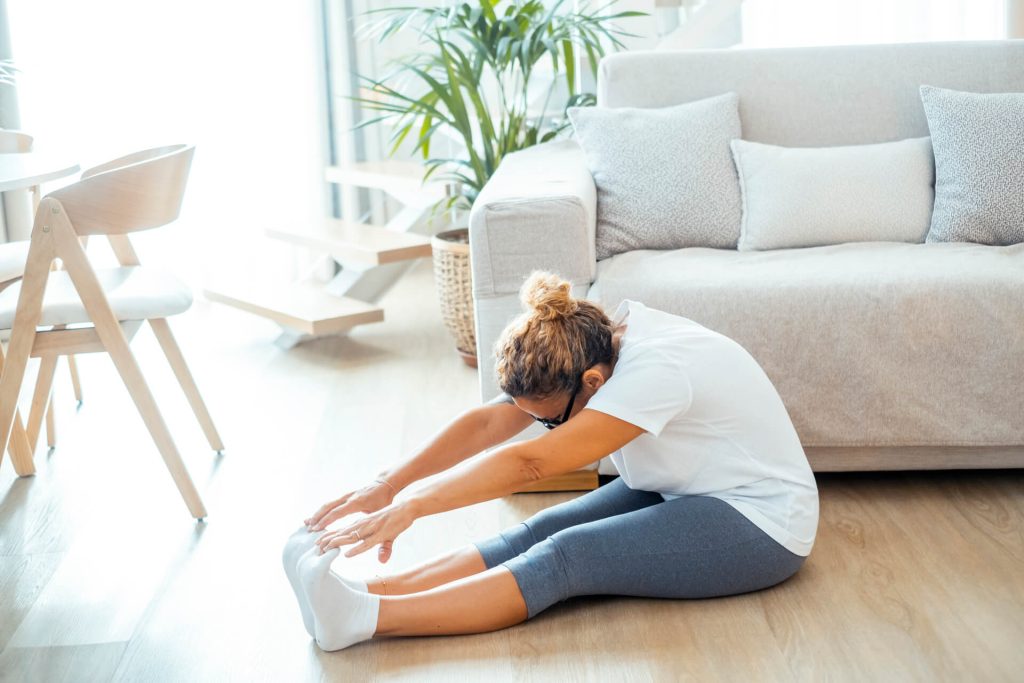
Muscle soreness after training is a normal part of physical adaptation. Active individuals often seek ways to support comfort without interfering with the body’s natural processes. CBD is frequently included in post-workout routines alongside stretching, hydration, and rest.
Rather than eliminating soreness, CBD may help support how the body manages post-exercise responses, which aligns with recovery-focused strategies rather than quick fixes.
Long-Term Consistency
Recovery is cumulative. Active people who train regularly prioritize tools that can be used consistently without disrupting daily life. CBD’s non-intoxicating profile makes it suitable for ongoing routines rather than occasional use only.
CBD oils and edibles are often chosen for this reason, as they integrate easily into structured schedules.
- CBD is used as part of recovery routines, not as a shortcut
- Consistency matters more than intensity
CBD for Endurance and High-Load Activities
Endurance sports and high-volume training place sustained demands on the body. Long sessions increase physical fatigue and stress accumulation, making recovery strategies essential for maintaining performance over time.
CBD is sometimes included in evening routines following endurance training, where the focus is on relaxation, rest, and sleep quality. Its role is supportive, helping create conditions that favor recovery rather than forcing physiological outcomes.
Choosing CBD Products for Active People
Selecting CBD for sports and recovery requires attention to quality and format. Hemp-derived CBD with clear concentration labeling and verified THC compliance is essential, particularly for athletes who must follow strict regulations.
Active individuals often prefer formats that suit their routine. Oils offer flexibility and adjustable intake, while gummies provide convenience and consistency. High-quality CBD products available at Emi Jane support informed choices without unnecessary complexity.
The key is to choose products that align with training schedules and recovery habits rather than disrupt them.
Safe and Responsible Use of CBD in Sports
Dosage and Timing
There is no universal dosage for CBD in sports contexts. Individual sensitivity, body composition, and training intensity all influence how CBD fits into a routine. Starting with low amounts and adjusting gradually is considered a responsible approach.
Timing is also individual. Some people prefer CBD after training sessions, while others integrate it into evening recovery routines. Observing how the body responds over time is more effective than making immediate adjustments.
CBD and Professional Guidance
Athletes using prescription medication or competing under regulated conditions should consult healthcare professionals or sports authorities before regular CBD use. Responsible use includes understanding personal limits and regulatory requirements.
- Start with low amounts and adjust gradually
- Prioritize quality and transparency
Legal and Compliance Considerations
In the European Union, CBD products must comply with strict THC limits and labeling requirements. For active individuals, compliance is especially important to avoid unintended exposure to prohibited substances.
Reputable retailers offering compliant CBD products follow EU standards and provide clear product information, which supports confidence and long-term use.

Common Misconceptions About CBD and Sport
Myth One – CBD Improves Athletic Performance
CBD is not a performance enhancer. It does not increase strength, speed, or endurance. Its role is supportive, focusing on recovery and balance rather than competitive advantage.
Myth Two – CBD Replaces Recovery Fundamentals
CBD does not replace sleep, nutrition, mobility work, or proper training structure. It complements these foundations rather than substituting them.
- CBD supports recovery, not performance gains
- Lifestyle habits remain essential
Integrating CBD Into an Active Lifestyle
CBD works best when integrated intentionally into recovery routines that already prioritize rest and balance. Used consistently and responsibly, it can support the overall recovery environment without interfering with daily performance or mental clarity.
Active people who view CBD as part of a long-term wellness strategy are more likely to experience realistic and sustainable benefits.
Conclusion
CBD’s relevance in sports and recovery lies in its potential to support balance, relaxation, and recovery conditions rather than deliver immediate performance effects. Scientific research and user experiences point toward gradual, supportive roles within well-structured routines.
By choosing high-quality, compliant CBD products, using them responsibly, and maintaining realistic expectations, active individuals can explore CBD as part of a holistic approach to training and recovery. When integrated thoughtfully, CBD can complement an active lifestyle focused on consistency, resilience, and long-term well-being.